
Gallstones are small stones that form in the gallbladder. Many people have them without symptoms, but when they cause pain or complications, removal of the gallbladder (cholecystectomy) is the standard treatment.
Symptoms
The most common symptom is biliary colic — a steady pain in the upper abdomen, often on the right side, sometimes spreading to the back or right shoulder. It typically occurs after eating, especially fatty meals, and may last several hours.
Diagnosis
Gallstones are usually confirmed with an ultrasound. Blood tests and sometimes further imaging help assess whether complications are present.
What problems can gallstones cause?
- Biliary colic — stones block the gallbladder outlet, causing attacks of steady pain lasting hours, often after fatty meals
- Cholecystitis — inflammation or infection of the gallbladder; pain can last days, with fever and feeling unwell, and usually needs hospital admission for antibiotics
- Jaundice or cholangitis — stones escape into the bile duct, causing yellowing of the skin and eyes and potentially serious infection
- Pancreatitis — a stone irritating the pancreas, which can be severe
The last three are urgent — attend an emergency department if you have severe pain with fever, jaundice or persistent vomiting.
Do I need surgery if I have no symptoms? Incidental gallstones without symptoms can often simply be monitored. However, painkillers, antibiotics and a low-fat diet only manage symptoms — they do not cure the condition, and attacks usually return. Removing the gallbladder is the only dependable cure.
Treatment — cholecystectomy
Prof. Mittal performs gallbladder removal using robotic or laparoscopic (keyhole) surgery through a few small incisions. The robotic approach offers enhanced 3D vision and precision. Most patients can go home the same day.
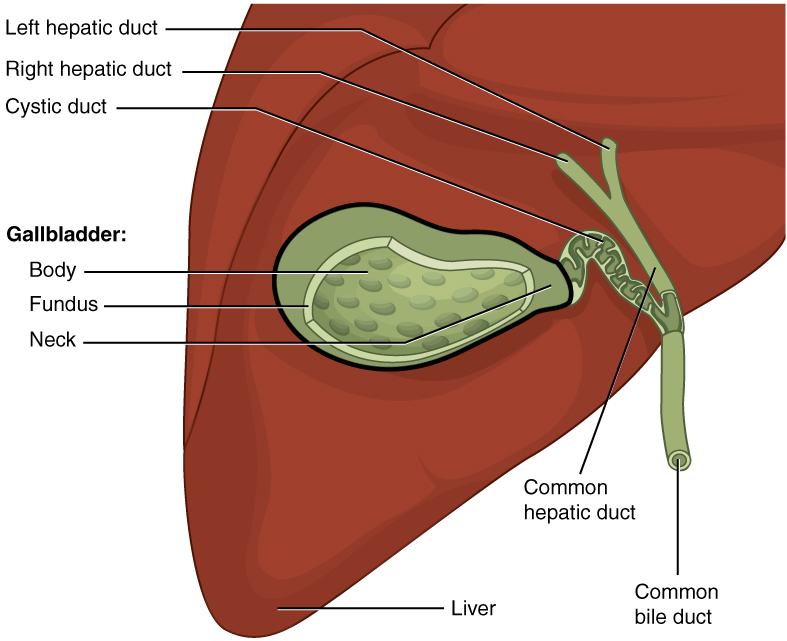
You can live perfectly normally without a gallbladder. Bile flows directly from the liver to the intestine, and digestion is largely unaffected.
Recovery — what to expect
Surgery takes about an hour under a general anaesthetic, using keyhole technique through a few small incisions. Most patients go home the same day or the next morning.
| Timeframe | What you can do |
|---|---|
| Day 1 | Walking the same day. Eating normally as you feel ready. |
| Week 1 | Light activities; many people return to desk work. |
| Weeks 1–2 | Return to normal activities. Avoid heavy lifting for 2 weeks. |
| Weeks 4–6 | Follow-up appointment with Prof. Mittal. |
Eating — you can eat normally within days. Some people notice looser stools with very fatty meals; this usually settles. No long-term dietary restrictions are needed.
Driving — not until you have stopped strong pain medication and can brake without pain — typically about a week.